€24.8M Dutch Fine: How Qbet & 55Bet Failed Crypto Compliance

The €24.846 million fine imposed on Novatech Solutions for operating Qbet.com and 55Bet.com represents one of the most significant enforcement actions against unlicensed cryptocurrency gambling operators in recent history. This landmark case from Dutch regulatory authorities reveals critical compliance failures that should serve as a cautionary tale for the entire crypto gambling industry. The Dutch regulator’s decision to treat cryptocurrency transactions and anonymous payment options as aggravating factors fundamentally shifted how international gambling authorities approach digital asset betting platforms.
Understanding the Regulatory Landscape for Crypto Gambling Operators
The global cryptocurrency gambling market operates in a complex regulatory environment where operators must navigate licensing requirements across multiple jurisdictions. Qbet.com and 55Bet.com operated without proper Dutch gaming licenses, despite offering services to players in regulated markets. This violation represents a critical gap in compliance infrastructure that many emerging crypto gambling platforms struggle to address. The Dutch regulator, through its enforcement action, demonstrated that merely accepting cryptocurrency payments does not exempt operators from traditional gambling licensing requirements.
International gambling authorities have increasingly recognized that blockchain-based transactions do not create a regulatory exemption for gaming operators. The European gaming market, particularly in jurisdictions like the Netherlands, has implemented strict licensing frameworks that apply equally to traditional fiat-based operators and cryptocurrency gambling platforms. Operators of Qbet.com and 55Bet.com failed to recognize this critical distinction, leading to their substantial financial penalty and operational shutdown in regulated territories.
The Role of Anonymous Payments in Regulatory Violations
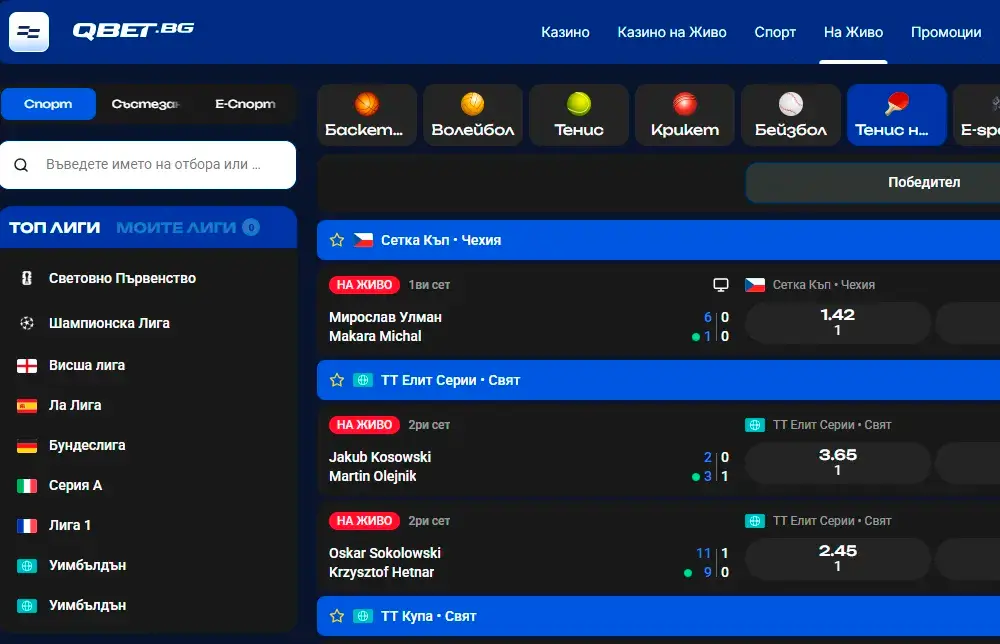
Cryptocurrency Transactions as Compliance Red Flags
The Dutch regulator specifically cited the use of cryptocurrency and anonymous payment mechanisms as aggravating factors in the enforcement action against Novatech Solutions. This designation reflects a broader regulatory trend treating anonymity in gambling transactions with heightened scrutiny. When players can deposit funds into Qbet.com or 55Bet.com using cryptocurrency wallets without traditional identity verification, regulatory authorities view this as facilitating potential money laundering and problem gambling without adequate consumer protections.
Anonymous payment options create significant challenges for responsible gambling enforcement. Traditional licensed operators must implement robust age verification, identity confirmation, and self-exclusion mechanisms. When gambling platforms accept cryptocurrency transactions without corresponding KYC (Know Your Customer) procedures, they undermine these protective frameworks. The Dutch regulator’s treatment of anonymous payments as an aggravating factor signals that international authorities will increasingly penalize operators who prioritize transaction privacy over regulatory compliance.
Blockchain Transactions and Audit Trail Requirements
While blockchain technology provides immutable transaction records, the use of cryptocurrency wallets without linked identity information creates regulatory blindness. Authorities cannot trace funds flowing into Qbet.com or 55Bet.com to verify they originate from legitimate sources or that players meet age and location requirements. This audit trail gap directly contributed to the Dutch regulator’s decision to impose maximum penalties on Novatech Solutions. Modern regulatory frameworks increasingly require that cryptocurrency gambling operators maintain complete transaction histories linking wallet addresses to verified player identities.
Licensing Failures and Operational Deficiencies
Operating Without Proper Gaming Licenses
Qbet.com and 55Bet.com operated in the Dutch market without obtaining proper gaming licenses from competent authorities. This fundamental compliance failure demonstrates a deliberate circumvention of regulatory requirements. Many cryptocurrency gambling platforms assume that operating from offshore jurisdictions or using blockchain technology somehow exempts them from licensing obligations in regulated markets. The €24.846 million fine proves this assumption dangerously incorrect.
Licensed gambling operators must undergo rigorous vetting processes examining financial stability, responsible gambling protocols, and fraud prevention mechanisms. Qbet.com and 55Bet.com bypassed these requirements entirely, exposing Dutch players to unprotected gambling environments. Without proper licensing, players have no recourse through official regulatory channels if disputes arise, funds disappear, or the platform implements unfair gaming practices. The Dutch regulator’s enforcement action prioritized consumer protection by eliminating these unlicensed operators from the market.
Inadequate Consumer Protections
Unlicensed cryptocurrency gambling platforms typically lack the consumer protection infrastructure required by regulated operators. Qbet.com and 55Bet.com offered no verifiable responsible gambling tools, no player fund segregation, and no dispute resolution mechanisms. Players depositing cryptocurrency into these platforms had no guarantee their funds would be returned or that games operated fairly. The Dutch regulator’s substantial fine reflects the serious consumer harm potential created by these operational deficiencies.
International Regulatory Response to Crypto Gambling Violations
The enforcement action against Novatech Solutions for operating Qbet.com and 55Bet.com has resonated across international gambling regulators. Authorities in multiple European jurisdictions, including the United Kingdom, Germany, and Spain, have intensified scrutiny of cryptocurrency gambling platforms operating without proper licenses. This coordinated regulatory response demonstrates growing consensus that blockchain-based transactions do not exempt operators from traditional gaming regulations.
Regulators increasingly share intelligence about unlicensed operators and coordinate enforcement actions across borders. The Dutch regulator’s public disclosure of the €24.846 million fine serves as a deterrent to other operators considering similar licensing violations. International gambling authorities have established frameworks for identifying and prosecuting operators who attempt to circumvent licensing requirements through cryptocurrency payments and anonymous transaction structures. Operators considering entry into regulated markets must now account for sophisticated cross-border enforcement capabilities.
Compliance Strategies for Legitimate Crypto Gambling Operators
Legitimate cryptocurrency gambling platforms can operate successfully within international regulatory frameworks by prioritizing compliance from inception. First, operators must obtain proper gaming licenses from competent authorities in jurisdictions where they offer services. This requires substantial capital investment, rigorous vetting processes, and ongoing compliance monitoring. Qbet.com and 55Bet.com’s failure to pursue legitimate licensing represents a critical strategic error that ultimately proved far more expensive than the licensing process itself.
Second, crypto gambling operators must implement comprehensive KYC and AML (Anti-Money Laundering) procedures that link cryptocurrency wallet addresses to verified player identities. This means requiring players to complete identity verification before depositing funds and maintaining detailed transaction records for regulatory authorities. While this reduces transaction anonymity, it enables operators to demonstrate compliance with international standards and protects against the aggravating factors cited in the Dutch enforcement action.
Third, operators should segregate player funds in dedicated trust accounts and obtain appropriate insurance coverage. Licensed operators must guarantee that player deposits remain protected even if the operator faces financial difficulties. This fundamental protection mechanism was entirely absent from Qbet.com and 55Bet.com, exposing players to total fund loss if the platform became insolvent.
Fourth, legitimate crypto gambling platforms must implement robust responsible gambling tools including deposit limits, loss limits, self-exclusion options, and mandatory cooling-off periods. These features should function identically regardless of whether players deposit cryptocurrency or traditional fiat currency. Regulators increasingly view responsible gambling implementation as non-negotiable for licensed operators, and cryptocurrency platforms receive no exemptions from these requirements.
Lessons for Players and Industry Stakeholders
The €24.846 million fine imposed on Novatech Solutions for operating Qbet.com and 55Bet.com provides crucial lessons for gambling consumers and industry participants. Players should verify that gambling platforms hold proper licenses from recognized regulatory authorities before depositing funds. Unlicensed operators like Qbet.com and 55Bet.com offer no consumer protections and pose substantial risks of fraud or fund loss. Checking regulatory status should precede any gambling activity, regardless of whether operators accept cryptocurrency payments.
Industry stakeholders should recognize that regulatory compliance represents a competitive advantage rather than a burden. Licensed operators can confidently market their regulatory status to players seeking protected gambling environments. The harsh penalties imposed on unlicensed competitors actually benefit compliant operators by creating market conditions where players prefer regulated platforms. Cryptocurrency gambling platforms that invest in proper licensing and compliance infrastructure position themselves for sustainable long-term growth in increasingly regulated international markets.
Remember that gambling involves financial risk and should only be conducted with funds you can afford to lose completely. Players should set strict budget limits, never chase losses, and seek help from organizations like Gamblers Anonymous or the National Council on Problem Gambling if gambling begins affecting personal finances or mental health. Licensed operators provide responsible gambling tools including deposit limits and self-exclusion options that players should actively utilize. When choosing cryptocurrency gambling platforms, prioritize those holding proper licenses and demonstrating commitment to player protection over those offering anonymous transactions or unverified gaming practices.

Written by