Ethereum Gas Fees vs. Bitcoin: Which Crypto Deposits Cost Less?
When depositing cryptocurrency at international online casinos, choosing between Ethereum and Bitcoin involves more than just personal preference. The transaction costs associated with each blockchain can significantly impact your gambling budget, especially for regular players who make frequent deposits. Understanding the practical differences between these two leading cryptocurrencies helps international players optimize their casino funding strategy while maintaining security and minimizing unnecessary expenses.
Understanding Network Fees and Transaction Costs
Bitcoin and Ethereum operate on fundamentally different blockchain architectures, which directly affects how transaction fees are calculated and charged. Bitcoin transactions rely on a simple fee-per-byte model where miners prioritize transactions based on the fee offered. When the Bitcoin network experiences high demand, fees can escalate dramatically, sometimes reaching hundreds of dollars for a single transaction during peak periods.
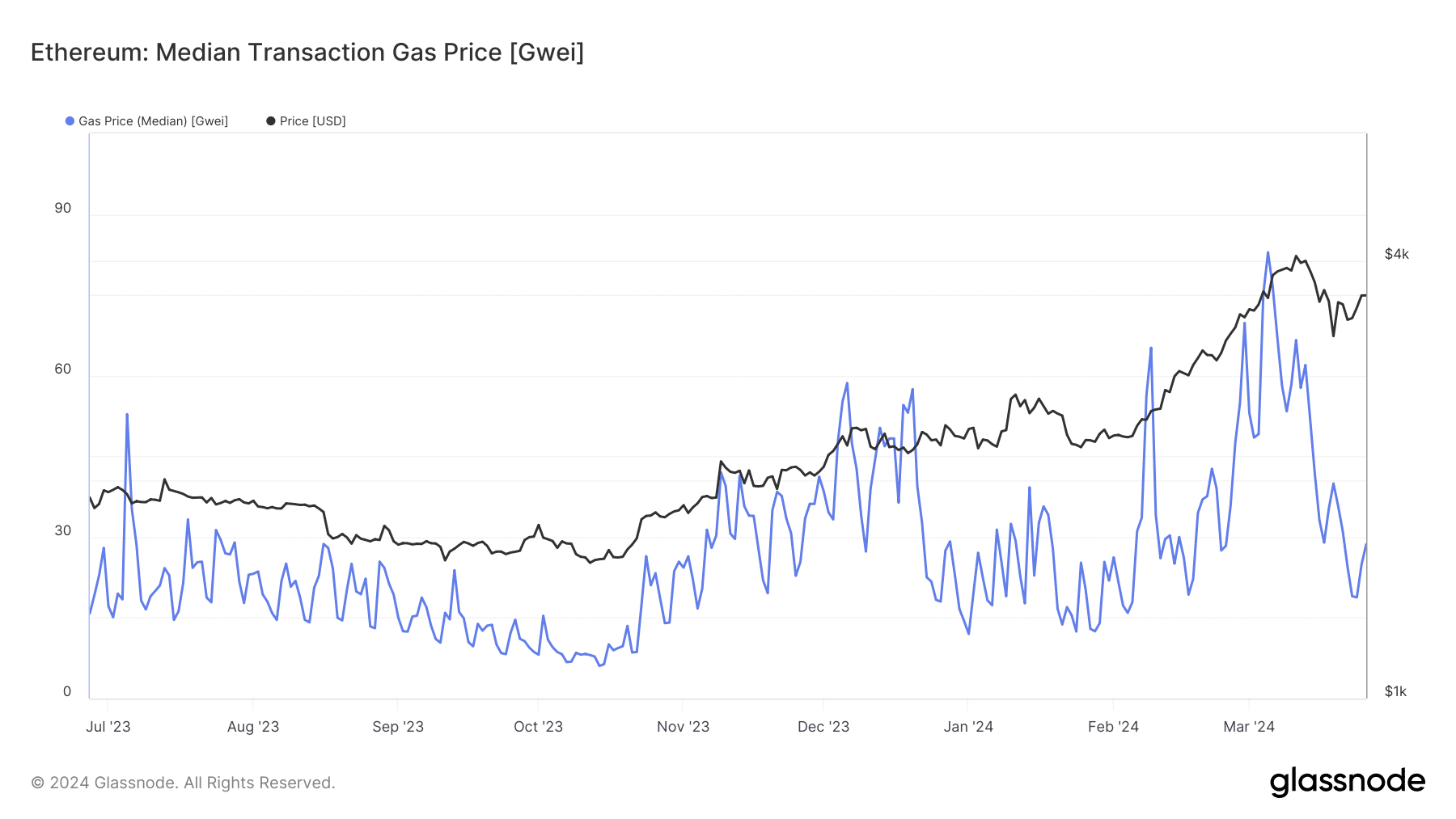
Ethereum operates differently through its gas fee system, which measures computational effort required to execute transactions. Rather than a straightforward per-byte calculation, Ethereum gas fees fluctuate based on network congestion and the complexity of the transaction being processed. A standard transfer of ETH to a casino wallet typically requires around 21,000 gas units, while more complex smart contract interactions may demand significantly more computational resources.
Current Fee Comparison at Major Platforms
At regulated platforms like SAHARA Las Vegas, which accepts both Bitcoin and Ethereum deposits, the practical costs reveal interesting patterns. Bitcoin deposits typically range from fifteen to fifty dollars depending on network congestion, while Ethereum deposits generally cost between five and thirty dollars for standard transfers. However, these baseline costs tell only part of the story for international players making regular deposits.
Transaction confirmation times also factor into the total cost equation. Bitcoin transactions typically confirm within ten to thirty minutes during normal network conditions, while Ethereum transactions often settle within fifteen to thirty seconds. This speed advantage can be crucial for players who want to capitalize on time-sensitive promotional offers or participate in live dealer games without unnecessary delays.
Conversion Charges and Exchange Rate Considerations
Beyond network fees, international players must account for conversion charges when depositing cryptocurrency. Most regulated online casinos convert incoming cryptocurrency deposits to their operating currency within hours of receipt. The spread between the bid and ask prices during this conversion can add between one and three percent to your effective deposit cost, depending on market conditions and the casino’s chosen exchange service.
Bitcoin’s larger market liquidity generally means tighter spreads during conversion, potentially saving international players small amounts on each deposit. However, Ethereum’s faster transaction times mean your conversion happens more quickly, reducing exposure to price volatility during the confirmation period. For players converting large amounts, this timing advantage can offset slightly wider spreads.
Stablecoin Alternatives and Their Hidden Costs
Many international casinos now accept stablecoins like USDC and USDT, which maintain fixed values against the US dollar. These alternatives can eliminate conversion spread concerns entirely, but they introduce their own fee structures. USDC transactions on Ethereum typically cost three to eight dollars during normal network conditions, while USDT transactions might be slightly cheaper. However, if you’re converting fiat currency to stablecoins first, you’ll encounter additional exchange fees from your cryptocurrency exchange or payment provider.
Real-World Scenarios for International Players
Consider a player from London depositing one thousand dollars at SAHARA Las Vegas. Using Bitcoin, they might pay forty dollars in network fees during moderate congestion, plus approximately fifteen dollars in conversion spread, totaling fifty-five dollars in costs. The same deposit via Ethereum might cost twenty dollars in gas fees plus twelve dollars in conversion spread, totaling thirty-two dollars. Over the course of a month with four similar deposits, the Ethereum advantage could accumulate to nearly one hundred dollars in savings.
However, this advantage reverses during periods of extreme Ethereum network congestion. During times when popular NFT collections or decentralized finance protocols experience sudden demand spikes, Ethereum gas fees can surge to fifty, one hundred, or even three hundred dollars per transaction. Bitcoin’s fee structure, while also increasing during congestion, rarely experiences such dramatic spikes because its simpler transaction model creates more predictable fee markets.
Timing Your Deposits Strategically
International players can minimize costs by timing deposits during periods of lower network activity. Bitcoin network fees tend to be lowest during early morning hours in North America and Europe, when overall transaction volume decreases. Ethereum gas fees follow similar patterns but can fluctuate more dramatically within shorter timeframes. Monitoring network conditions before depositing allows savvy international players to save ten to twenty dollars per transaction by waiting for optimal windows.
Security Implications of Different Deposit Methods
Both Bitcoin and Ethereum offer strong security features for casino deposits, but they operate differently regarding transaction reversibility. Bitcoin transactions become essentially irreversible after six confirmations, typically occurring within one hour. Ethereum transactions finalize much faster, usually within a few minutes. This means Ethereum deposits reach casino accounts more quickly, reducing the window during which network issues could cause problems.
For international players in jurisdictions with less stable internet connections, Ethereum’s faster confirmation times provide practical advantages beyond cost considerations. A casino player in Southeast Asia or South Africa might experience network interruptions during Bitcoin’s longer confirmation period, but Ethereum’s speed minimizes this risk. The security benefit complements the potential cost savings for certain international markets.
Regulatory and Compliance Considerations
Different international jurisdictions treat Bitcoin and Ethereum differently for tax and regulatory purposes. Some countries classify Bitcoin as property while treating Ethereum differently, affecting how players must report gambling winnings and losses. Additionally, certain regulated casinos maintain different minimum deposit amounts for various cryptocurrencies, potentially affecting which option makes financial sense for your particular situation.
SAHARA Las Vegas and similar regulated platforms maintain compliance with international anti-money laundering regulations, requiring detailed transaction records regardless of cryptocurrency choice. These compliance requirements don’t directly affect deposit costs, but they do ensure your transactions receive proper documentation for tax purposes, which can be valuable for international players managing complex financial situations.
Making the Right Choice for Your Situation
International players should base their cryptocurrency choice on their specific circumstances rather than assuming one option universally costs less. Frequent depositors who make weekly transfers benefit significantly from Ethereum’s generally lower fees, potentially saving hundreds of dollars annually. Conversely, players making occasional large deposits might find Bitcoin’s more predictable fee structure preferable, avoiding the risk of catching Ethereum during a network congestion spike.
Your geographic location also influences the optimal choice. Players in regions with strong Ethereum adoption might enjoy better liquidity and lower conversion spreads, while those in areas where Bitcoin dominates might experience better overall economics with Bitcoin deposits. Testing both methods with small initial deposits helps international players determine which cryptocurrency delivers the best practical results for their personal situation.
Responsible gambling requires managing your bankroll carefully, and that includes minimizing unnecessary transaction costs. By understanding the real differences between Ethereum and Bitcoin deposit fees, international players can direct more funds toward actual gameplay rather than network costs. Always gamble within your means, set strict loss limits, and remember that gambling should remain entertainment rather than income generation. If you find yourself chasing losses or gambling more than intended, please reach out to support services like the National Council on Problem Gambling or your local equivalent organization.

Written by