Curaçao Tightens Crypto Verification: What Operators Must Prove Now
Curaçao’s gaming regulatory authority has announced significant tightening of verification requirements for cryptocurrency-focused gambling operators seeking to maintain or renew their licenses. The shift represents a fundamental change in how the jurisdiction approaches digital asset compliance, requiring operators to demonstrate substantially more rigorous proof of their financial integrity and operational transparency. For international crypto gambling platforms operating under Curaçao licensing, these enhanced verification protocols represent both a compliance challenge and an opportunity to differentiate themselves in an increasingly scrutinized market.
The Evolution of Curaçao’s Crypto Gambling Framework
Curaçao has long positioned itself as a progressive jurisdiction for online gambling operators, particularly those embracing cryptocurrency technologies. However, recent regulatory developments indicate a maturation of this approach, moving away from permissive frameworks toward more stringent oversight mechanisms. The jurisdiction’s gaming authority has recognized that the rapid expansion of crypto gambling platforms necessitated more sophisticated verification systems to protect both players and the integrity of the broader gaming ecosystem.
The transition to enhanced LOK (Licensing and Operational Knowledge) requirements marks a watershed moment for the industry. Operators who have traditionally operated with lighter regulatory touch now face expectations that align more closely with traditional financial services standards. This evolution reflects global pressure on gaming jurisdictions to implement anti-money laundering protocols and counter-terrorism financing measures that cryptocurrency transactions can facilitate if left unchecked.
Proof-of-Reserves: The New Gold Standard for Operator Credibility
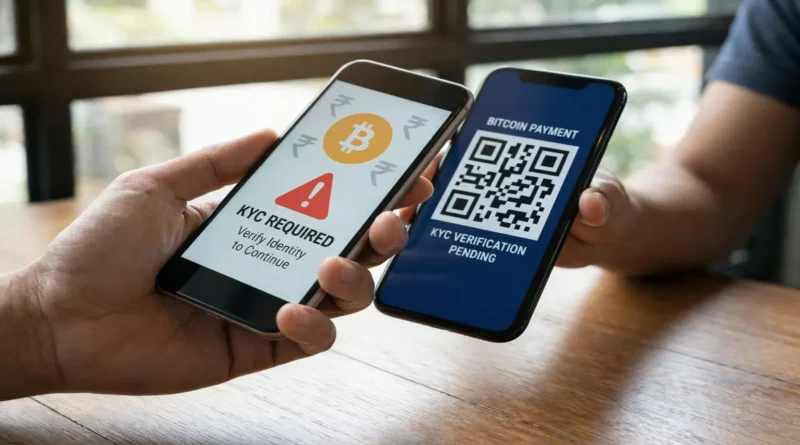
At the heart of Curaçao’s new verification requirements lies the concept of proof-of-reserves, a mechanism that demands operators demonstrate they maintain sufficient funds to cover all player balances and outstanding liabilities. This requirement has become particularly crucial for cryptocurrency-focused operators, where the transparent nature of blockchain technology enables unprecedented levels of financial verification.
Understanding Proof-of-Reserves Implementation
Operators must now provide cryptographic evidence that their digital wallets contain the requisite assets to cover player funds. This goes beyond simple attestations or traditional audit reports. Platforms like those offering blockchain-based gaming experiences must submit regular on-chain verification that demonstrates their reserve positions. The process involves operators publishing wallet addresses and allowing independent verification of their holdings, creating an immutable record on the blockchain itself.
For international operators managing multiple currencies and cryptocurrency pairs, this requirement necessitates comprehensive tracking systems. An operator running a platform where players can deposit Bitcoin, Ethereum, and stablecoins must maintain separate reserves for each asset class while demonstrating that the aggregate value meets regulatory thresholds. This complexity has driven many operators to implement sophisticated treasury management systems and engage specialized compliance firms.
Frequency and Transparency Standards
Curaçao’s regulatory framework now mandates that operators submit proof-of-reserves documentation on a quarterly basis at minimum, with provisions for more frequent submissions if regulatory concerns arise. This regular cadence ensures that regulators maintain current visibility into operator financial positions rather than relying on annual snapshots that could mask interim financial deterioration.
The transparency standards extend beyond mere numerical compliance. Operators must document their reserve calculation methodologies, explain any discrepancies between reported player balances and held reserves, and provide detailed accounting of how funds flow through their operational systems. This documentation must be sufficiently detailed that independent auditors can verify the accuracy of reserve calculations without requiring access to proprietary trading algorithms or player personal data.
Crypto Verification Protocols and Know-Your-Customer Enhancement
Beyond proof-of-reserves, Curaçao has implemented enhanced crypto verification protocols that require operators to maintain sophisticated Know-Your-Customer systems specifically designed for cryptocurrency transactions. These protocols address unique challenges posed by digital assets, including the pseudonymous nature of blockchain addresses and the potential for rapid fund transfers across jurisdictions.
Operators must now implement systems that track cryptocurrency deposits and withdrawals with the same rigor applied to traditional banking channels. This includes identifying the source of cryptocurrency funds, verifying that players are not using proceeds from illicit activities, and maintaining detailed transaction logs that regulators can audit. For platforms hosting thousands of daily transactions, this requirement has necessitated implementation of advanced artificial intelligence and machine learning systems capable of flagging suspicious patterns in real time.
The verification protocols also extend to operator-controlled wallets. Curaçao now requires detailed documentation of how operators acquire, hold, and manage their cryptocurrency reserves. If an operator maintains Bitcoin reserves, they must document their acquisition sources, security protocols, and custody arrangements. Third-party custody providers must be vetted and approved by regulatory authorities, ensuring that even when operators delegate reserve management, they retain full accountability.
Compliance Infrastructure and Technology Requirements
Meeting these enhanced verification requirements demands substantial investment in compliance infrastructure. Operators must deploy systems that automatically generate proof-of-reserves documentation, maintain immutable audit trails of all financial transactions, and provide real-time reporting capabilities to regulatory authorities. The technological sophistication required has created barriers to entry for smaller operators while rewarding platforms that invested early in robust compliance systems.
Integration of Blockchain Analytics
Leading operators now employ blockchain analytics platforms that monitor cryptocurrency movements across their systems, flagging transactions that deviate from established player patterns or originate from high-risk wallet addresses. These systems integrate with traditional compliance databases to cross-reference cryptocurrency addresses against known sanctioned individuals and entities. The integration creates a comprehensive financial surveillance capability that exceeds what traditional online gambling operators can achieve.
Operators managing platforms where professional esports players deposit cryptocurrency to fund betting on events like the International Dota 2 Championship or major Counter-Strike tournaments must implement particularly robust systems. The high transaction volumes and sophisticated players involved create elevated compliance risks that demand continuous monitoring and rapid response capabilities.
Actionable Compliance Strategies for International Operators
Operators seeking to maintain Curaçao licensing should prioritize several key compliance initiatives. First, conduct a comprehensive audit of current reserve holdings against player balance databases, identifying any gaps and developing remediation plans before regulatory submissions. Second, engage specialized compliance consultants with expertise in cryptocurrency verification to ensure documentation meets regulatory expectations. Third, implement automated proof-of-reserves systems that generate compliant reports without manual intervention, reducing the risk of calculation errors.
Operators should also establish relationships with reputable cryptocurrency custody providers approved by Curaçao regulators. Using third-party custodians can enhance security and provide additional credibility to reserve documentation, though it requires careful contract negotiation to ensure regulatory access to verification information. Additionally, operators should document their compliance methodologies thoroughly, creating detailed procedures that can be reviewed by auditors and regulators to demonstrate systematic approaches rather than ad-hoc implementations.
International operators should also consider preemptive engagement with Curaçao’s regulatory authority. Rather than waiting for formal compliance reviews, many successful operators schedule regular consultations with licensing officials to discuss their verification systems and receive feedback on compliance adequacy. This proactive approach often results in smoother licensing renewals and provides operators with confidence that their systems meet regulatory expectations.
The Broader Regulatory Landscape and Industry Impact
Curaçao’s enhanced verification requirements reflect broader global trends toward stricter cryptocurrency regulation. Jurisdictions worldwide are implementing similar proof-of-reserves and crypto verification protocols, creating a convergence toward international standards. Operators that achieve compliance with Curaçao’s requirements often find themselves well-positioned to obtain licenses in other progressive jurisdictions that maintain comparable standards.
The tightened requirements have already influenced industry consolidation, with well-capitalized operators acquiring smaller platforms unable to afford compliance infrastructure investments. This consolidation may ultimately benefit players through enhanced security and more reliable reserve backing, though it reduces competitive diversity in the marketplace.
Remember that gambling involves risk, and crypto gambling carries additional volatility considerations. Players should only deposit funds they can afford to lose, maintain strict betting discipline, and utilize responsible gambling tools provided by licensed operators. If gambling begins affecting your financial stability or mental wellbeing, seek support from recognized gambling addiction resources available in your jurisdiction.

Written by